Home Renovation Planning

Home Renovation Planning

When it comes to keeping a home renovation on time and on budget, planning is the single most important factor home owners need to consider.  Your dream renovation should always be your goal, but cost and affordability are very realistic concerns that may impact the scope of your project.  Big ticket items tend to make a big impact in a renovation, and home owners can make the mistake of jumping the gun by purchasing cabinets, appliances, fixtures, or furniture before they know what the project will cost.  Planning your finances before you begin your project is the cornerstone of successful renovations.  So, what do you need to know about home renovation planning?

Prioritize

First and foremost, prioritize your home renovation budget.  Working with a contractor or a home renovation expert can help you plan for the cost of different elements of your budget.  Then you can prioritize the items that are “must-haves” versus “nice-to-haves.”  You should also consider more than the cost of the item, but also the impact and necessity.  For example, if you have an older home and you want to upgrade appliances or lighting, you may need to consider whether your home’s current electrical system is up to code.

Padding your Budget

Also, remember that you might not be able to calculate all your costs up front – with any successful renovation, you should plan for at least 10-15% of your budget to go toward unexpected costs.  In fact, home renovations regularly cost more than anticipated, and some experts suggest padding your budget by up to 25%.  In general, smaller budget projects can get away with a little less padding, whereas with larger projects you need to save more for contingencies.  It also helps to have prioritized your project before you begin because that can help you decide where to compromise if you are getting close to your budget.

Paying for your Renovation

Once you’ve planned and budgeted your renovation, you’ll need to start paying for it.  Ideally, you have the funds available to cover all the costs of the project, but some homeowners prefer to seek out alternative financing.  Credit cards are one of the most costly approaches to paying for major home renovations because the interest rates are high.  Your financial institution may provide a low interest loan, particularly if you have equity in your home.  Ensure that repayment of any loans is within your monthly budget before you break ground.  Some homeowners make the mistake of overextending themselves which can create significant stress related to financial hardship. 

Your dream renovation can certainly become a reality and all it takes is careful planning.  Imagine your future home, prioritize your project, set a budget, and organize your financing and you’ll be well on your way to a beautiful and successful renovation.

Commercial Renovation Budgets

Commercial Renovation Budgets

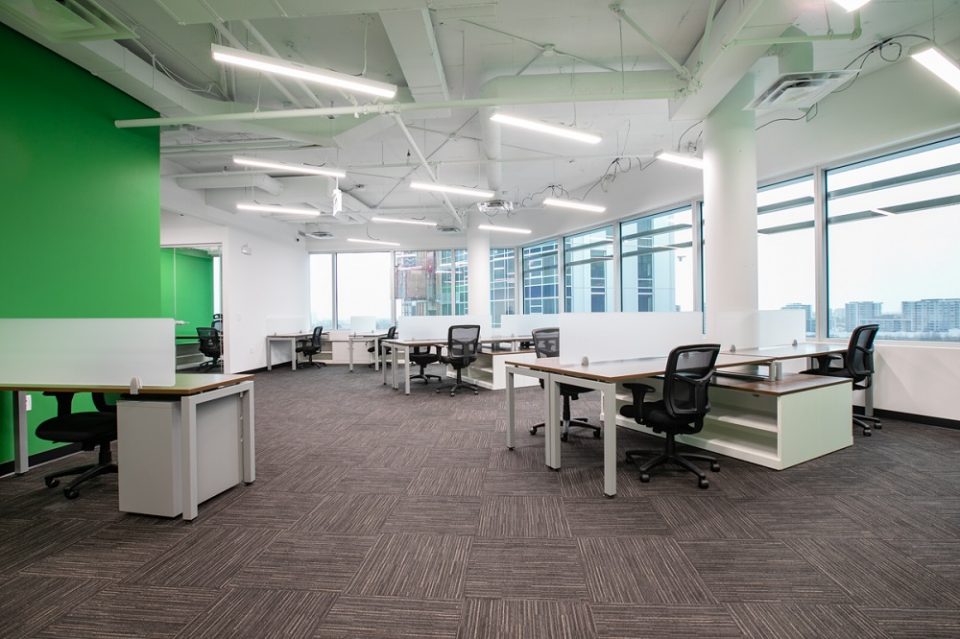
Commercial renovations can take your business to another level.  Regardless of your budget, a commercial renovation can transform your workspace to improve efficiency, impress clients, and satisfy staff.  Still, careful budgeting of your commercial project helps to keep your renovation focused and on time.  Every renovation starts with a vision, but it is thorough planning that makes that vision a reality.  So, how can you budget your commercial renovation?

The Vision

First, you should identify tangible goals for your renovation project.  Perhaps you have outgrown  your current office space and you know  you need upgraded equipment and improved storage in order for operations to run smoothly.  On the other hand, you may simply need to make some minor updates to keep the image of your business aligned with current trends and styles.  Obviously a new paint job and some updated cabinets represent a smaller commercial renovation budget than a total overhaul. 

Major commercial renovations usually involve a team of professionals that ensure your vision is realized.  An architect, tradespeople (including electricians, plumbers, painters, and builders), and design experts may all be involved in your renovation.  As such, it is always advisable to work with an experienced contractor that can help you plan your renovation and the associated costs.

The Renovation

Your commercial renovation goals will define the scope of your project.  That being said, you should consider factors such as lighting, floorplans, flooring, finishing construction, and bathroom and kitchen upgrades when planning your renovation.  When you know the scope of your project, you can start budgeting for various criteria.  And, keep in mind that each aspect of your renovation will offer you a range of choices at different budgets.  For example, basic lighting features cost around $400-500 for a two point light switch, whereas lighting for emergency exists runs closer to $300 per sign.

Moreover, you need to carefully consider how your space is used when budgeting your renovation.  For example, commercial-grade flooring can be expensive but you would choose different flooring for a small office than an industrial space.  You should also take some time to plan for communal spaces for your staff and clients.  Bathroom and kitchen renovations can be costly, but they are important for the health and well-being of your staff and even your customers.

Updating your HVAC system can also have a significant impact on employee efficiency.  Comfortable temperatures, adequate ventilation, and overall air quality are important benefits of an effective HVAC system.

Ultimately, a commercial renovation offers an exciting opportunity to create a workspace for your building that is modern and comfortable while improving working conditions, productivity, and overall efficiency for your business.  Coordinate your commercial renovation plan with your budget so that you get the upgrades you need at a cost your business can bear.