Complete Guide to Kitchen Renovation Costs in Vancouver (2026)

Kitchen Renovation Vancouver

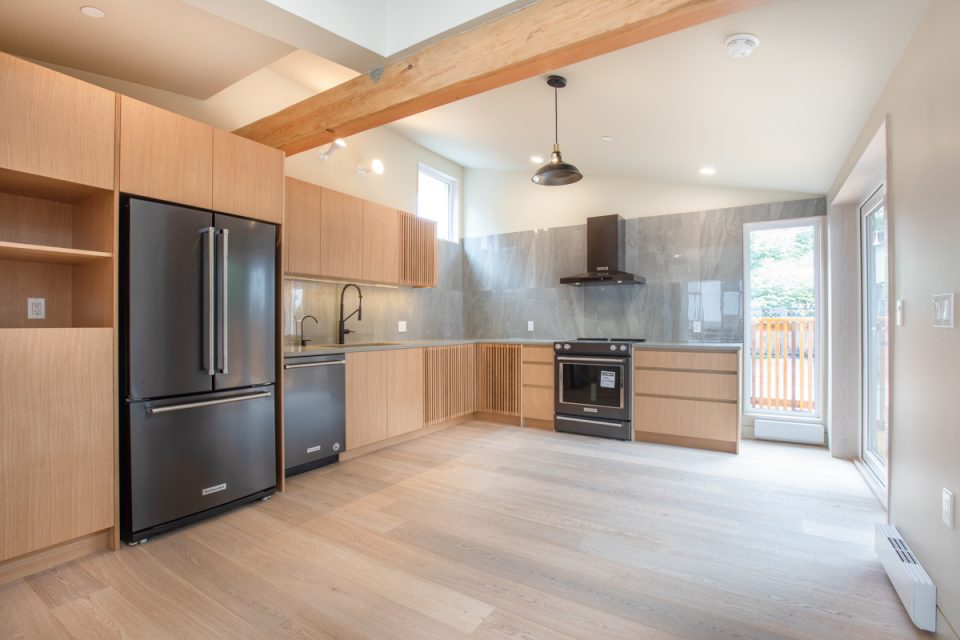
Planning a kitchen renovation in Vancouver? You’re making one of the smartest investments in your home. A well-executed kitchen remodel not only transforms your daily living experience but can recoup 75-90% of its cost when you sell your property. However, understanding the true costs involved is essential for creating a realistic budget and avoiding expensive surprises.

As Vancouver’s trusted renovation experts since 1995, Canadoo Enterprises has guided hundreds of homeowners through successful kitchen transformations. This comprehensive guide breaks down everything you need to know about kitchen renovation costs in Vancouver for 2026.

Quick Overview: What to Expect

Kitchen renovation costs in Vancouver vary significantly based on project scope, materials, and your home’s specific needs. Here’s what you can expect:

  • Budget-Friendly Refresh: $20,000 – $35,000
  • Mid-Range Renovation: $50,000 – $85,000
  • High-End Transformation: $75,000 – $150,000+

The average kitchen renovation in Vancouver currently sits around $55,000 to $70,000, though your specific project cost will depend on numerous factors we’ll explore below.

Breaking Down Kitchen Renovation Costs by Project Type

Budget-Friendly Kitchen Refresh ($20,000 – $35,000)

Perfect for homeowners looking to update their kitchen’s appearance without major structural changes, this level includes:

What’s Included:

  • Cabinet refacing or painting (existing layout maintained)
  • New countertops (laminate or entry-level quartz)
  • Updated lighting fixtures
  • Fresh paint and backsplash
  • New hardware and faucets
  • Minor plumbing fixture updates

Best For: Condos, rental properties, or homes preparing for sale where a fresh look matters most.

Timeline: 3-4 weeks

Permit Requirements: Generally none required for cosmetic-only updates

Mid-Range Kitchen Renovation ($50,000 – $85,000)

This is Vancouver’s most popular renovation tier, offering substantial improvements while maintaining budget consciousness:

What’s Included:

  • Semi-custom or stock cabinetry with quality construction
  • Quartz or granite countertops
  • Mid-range stainless steel appliances
  • New flooring (engineered hardwood or quality vinyl)
  • Updated electrical and plumbing
  • Recessed lighting and under-cabinet lighting
  • Tile or glass backsplash
  • New sink and fixtures

Best For: Family homes where functionality and durability matter alongside aesthetics.

Timeline: 8-12 weeks

Permit Requirements: Required if moving plumbing, electrical work, or structural changes

High-End Kitchen Transformation ($75,000 – $150,000+)

For homeowners seeking a luxury kitchen with custom features and premium materials:

What’s Included:

  • Fully custom cabinetry with specialized storage solutions
  • Premium countertops (high-end quartz, marble, or exotic granite)
  • Professional-grade appliances
  • Hardwood or premium tile flooring
  • Complete electrical system upgrade
  • Custom lighting design with dimmer controls
  • Designer backsplash with premium tile or stone
  • Layout modifications and structural changes
  • Built-in features (wine refrigerator, warming drawers, etc.)

Best For: Luxury homes, serious home cooks, or properties in high-value Vancouver neighborhoods like West Vancouver, Kitsilano, or Point Grey.

Timeline: 12-20 weeks

Permit Requirements: Almost always required due to structural, electrical, and plumbing work

Cost Breakdown by Square Footage

Vancouver kitchen renovations typically cost between $130 and $350 per square foot, depending on finish quality:

  • 100 sq ft kitchen (typical condo): $13,000 – $35,000
  • 150 sq ft kitchen (townhouse average): $19,500 – $52,500
  • 200 sq ft kitchen (single-family home): $26,000 – $70,000
  • 250 sq ft+ kitchen (larger homes): $32,500 – $87,500+

These ranges account for materials, labor, and basic permit costs but may not include structural changes or high-end custom features.

Detailed Cost Breakdown by Component

Understanding individual component costs helps you make informed decisions about where to invest your budget:

Cabinetry ($9,500 – $26,500)

Cabinets typically consume 30-40% of your total kitchen budget and have the biggest visual impact:

  • Stock cabinets (IKEA or similar): $3,000 – $8,000
  • Semi-custom cabinets: $12,000 – $20,000
  • Fully custom cabinets: $18,000 – $30,000+

Canadoo Tip: Quality cabinetry is worth the investment. We recommend focusing budget here rather than on trendy backsplash or hardware that’s easier to update later.

Countertops ($3,000 – $12,000)

Your choice of countertop material significantly impacts both cost and functionality:

  • Laminate: $1,500 – $3,500 (30-40 per sq ft installed)
  • Quartz: $4,500 – $9,000 ($90 – $170 per sq ft)
  • Granite: $4,000 – $8,500 ($80 – $150 per sq ft)
  • Marble: $6,000 – $12,000+ ($120 – $200 per sq ft)

Vancouver Climate Consideration: Quartz is our top recommendation for Vancouver kitchens. It’s durable, non-porous, low-maintenance, and handles our humid climate better than natural stone.

Appliances ($2,000 – $15,000+)

Appliance costs vary dramatically based on brand and features:

  • Budget package (basic brands): $2,000 – $4,000
  • Mid-range package (quality brands): $5,000 – $10,000
  • High-end package (premium/professional brands): $12,000 – $25,000+

A typical mid-range appliance package includes a refrigerator ($1,500-$3,000), range/cooktop ($800-$2,500), dishwasher ($600-$1,200), and range hood ($400-$1,500).

Flooring ($2,000 – $8,000)

Kitchen flooring must withstand heavy traffic and moisture:

  • Vinyl plank: $2,000 – $4,000
  • Ceramic or porcelain tile: $3,000 – $6,000
  • Engineered hardwood: $4,000 – $7,000
  • Solid hardwood: $5,000 – $9,000+

Pro Tip: For Vancouver’s climate, we often recommend porcelain tile or engineered hardwood over solid hardwood, as they handle moisture fluctuations better.

Labor Costs ($15,000 – $45,000)

Professional labor ensures code compliance and quality workmanship:

  • Demolition: $1,000 – $3,000
  • Plumbing: $2,000 – $6,000
  • Electrical: $2,500 – $7,000
  • Cabinetry installation: $2,000 – $5,000
  • Countertop installation: $500 – $2,000
  • Tile/backsplash installation: $1,500 – $4,000
  • Project management and coordination: $3,000 – $8,000

Vancouver’s active housing market means labor rates average $80-$160 per hour, higher than many Canadian cities.

Lighting ($1,200 – $4,200)

Modern kitchen lighting includes multiple layers:

  • Recessed pot lights: $150 – $400 per fixture installed
  • Pendant lights: $200 – $1,500+ each
  • Under-cabinet lighting: $500 – $2,000
  • Electrical panel upgrade (if needed): $2,000 – $4,000

Backsplash ($1,500 – $6,000)

Backsplash costs depend on material choice and installation complexity:

  • Ceramic tile: $25 – $45 per sq ft installed
  • Glass tile: $35 – $65 per sq ft installed
  • Natural stone: $40 – $80 per sq ft installed
  • Custom mosaic or designer tile: $60 – $150+ per sq ft installed

Vancouver-Specific Cost Factors

Several unique factors affect kitchen renovation costs in our city:

Permits and Inspections ($500 – $3,000)

The City of Vancouver requires permits for most kitchen renovations involving:

  • Moving or removing walls
  • Relocating sinks, stoves, or dishwashers
  • Electrical upgrades or panel replacements
  • Gas line modifications
  • Any structural changes

Basic kitchen renovation permits start around $500-$800, while comprehensive renovations requiring structural, electrical, and plumbing permits can reach $2,000-$3,000.

Energy Efficiency Requirements: For renovations valued over $20,000, Vancouver requires an EnerGuide evaluation and energy upgrade proposal, adding $500-$1,500 to your costs.

Condo and Strata Considerations ($300 – $1,500)

Vancouver’s high density means many kitchen renovations occur in condos:

  • Strata approval fees: $300 – $800
  • Strata application preparation: $200 – $500
  • Engineering reports (if required): $500 – $2,000
  • Parking permits for contractors: $200 – $600

Disposal and Waste Management ($1,000 – $3,000)

Vancouver’s strict waste disposal regulations impact costs:

  • Bin rental: $400 – $800
  • Disposal fees: $600 – $1,500
  • Recycling and material separation: $200 – $700

Unexpected Issues in Older Homes ($2,000 – $20,000)

Vancouver’s heritage and character homes often reveal surprises:

  • Asbestos removal: $3,000 – $15,000
  • Mold remediation: $2,000 – $12,000
  • Electrical panel upgrades: $2,500 – $5,000
  • Plumbing system updates: $3,000 – $8,000
  • Structural repairs: $5,000 – $20,000+

Canadoo Recommendation: Budget 15-20% contingency for unexpected issues, especially in homes built before 1980.

Neighborhood Cost Variations

Kitchen renovation costs can vary by Vancouver neighborhood:

West Vancouver: $200 – $350 per sq ft (highest due to luxury expectations)

Kitsilano, Point Grey, Kerrisdale: $150 – $280 per sq ft (upper-mid to high-end)

Mount Pleasant, Commercial Drive: $130 – $220 per sq ft (mid-range)

Burnaby, New Westminster: $120 – $200 per sq ft (slightly lower than Vancouver core)

Condo kitchens (Downtown, Yaletown): $140 – $250 per sq ft (space constraints increase per-square-foot costs)

Money-Saving Strategies Without Sacrificing Quality

1. Maintain Your Existing Layout

Moving plumbing and electrical adds $5,000-$15,000 to your budget. If your current layout works reasonably well, keeping appliances and sinks in place saves substantially.

2. Reface Instead of Replace Cabinets

If your cabinet boxes are structurally sound, refacing costs $3,000-$8,000 versus $12,000-$25,000 for full replacement.

3. Choose Mid-Range Materials Strategically

  • Opt for quartz over marble (save $2,000-$4,000)
  • Select engineered hardwood over solid (save $1,500-$3,000)
  • Use ceramic tile instead of natural stone backsplash (save $800-$2,000)

4. Time Your Renovation Strategically

Winter renovations (November-February) can save 10-20% on labor costs as contractors have more availability.

5. Handle Prep and Finishing Work

If you’re handy, you can save $2,000-$5,000 by:

  • Doing your own demolition
  • Removing and disposing of old appliances
  • Painting walls yourself
  • Installing simple hardware

6. Shop Sales for Appliances and Fixtures

Major sales (Black Friday, Boxing Day, spring clearance) can save 20-40% on appliances and fixtures.

7. Use a Full-Service Renovation Company

Working with one company like Canadoo for design, project management, and execution often costs less than coordinating multiple contractors separately, while ensuring better quality control.

Return on Investment: Is It Worth It?

Kitchen renovations offer strong financial returns in Vancouver’s competitive real estate market:

  • Mid-range kitchen renovation: 75-90% ROI
  • High-end kitchen renovation: 65-75% ROI
  • Minor kitchen refresh: 80-95% ROI

Beyond resale value, consider these non-financial returns:

  • Improved daily functionality and family enjoyment
  • Reduced energy costs with efficient appliances
  • Increased home safety with updated electrical and plumbing
  • Enhanced entertaining and hosting capabilities
  • Personal satisfaction from a beautiful, customized space

Planning Your Kitchen Renovation Budget

Follow these steps for successful budget planning:

Step 1: Determine Your Total Budget

Include renovation costs plus 15-20% contingency for unexpected issues.

Step 2: Prioritize Your Goals

List must-haves versus nice-to-haves. Focus spending on elements that matter most to your daily use.

Step 3: Get Professional Input Early

Consult with experienced renovation contractors like Canadoo before finalizing plans. We can identify potential issues and cost-saving opportunities.

Step 4: Obtain Multiple Detailed Quotes

Get at least three quotes from licensed contractors. Compare scope of work carefully, not just bottom-line numbers.

Step 5: Review Financing Options

Consider:

  • Home equity line of credit (typically 5-7% interest)
  • Refinancing your mortgage
  • Personal savings
  • Home renovation loans

Step 6: Build in Contingency

Set aside 15-20% of your budget for unexpected discoveries, especially in older Vancouver homes.

Red Flags to Avoid

Protect yourself from cost overruns and poor quality:

  • Contractors without proper licensing (BC requires licensing for projects over $10,000)
  • Quotes significantly lower than others (typically indicates cut corners or hidden costs)
  • Pressure to start immediately without permits
  • Vague contracts without detailed specifications
  • No insurance or WorkSafeBC coverage
  • Unwillingness to provide references or portfolio

Timeline Expectations

Understanding realistic timelines helps with planning:

Planning and Design: 2-4 weeks

  • Developing design concepts
  • Selecting materials and finishes
  • Creating detailed plans

Permit Approval: 3-8 weeks

  • Submitting permit applications
  • City review and approval
  • Addressing any revisions

Demolition and Prep: 1-2 weeks

  • Removing existing kitchen
  • Addressing unexpected issues
  • Preparing space

Construction: 6-12 weeks

  • Rough-in electrical and plumbing
  • Installing cabinets
  • Countertop fabrication and installation
  • Flooring installation
  • Final electrical and plumbing
  • Backsplash and finishing touches

Total Project Timeline: 3-6 months from initial consultation to completion

Working with Canadoo Enterprises

Since 1995, Canadoo Enterprises has been transforming Vancouver kitchens with a customer-first approach that combines quality craftsmanship, honest communication, and competitive pricing.

Our Process:

  1. Free In-Home Consultation: We visit your home, understand your vision, and provide preliminary guidance
  2. Detailed Design and Quote: Comprehensive proposal including all materials, labor, and permits
  3. Permit Management: We handle all necessary permits and city approvals
  4. Professional Execution: Experienced, licensed tradespeople complete all work
  5. Final Walkthrough: Ensuring every detail meets your expectations

Why Choose Canadoo:

  • Licensed and insured renovation specialists
  • Over 25 years serving Vancouver and Burnaby
  • Transparent pricing with no hidden fees
  • Project management from start to finish
  • Quality materials from trusted suppliers
  • Respect for your home and daily routine
  • Strong relationships with City of Vancouver permit office

Next Steps: Starting Your Kitchen Renovation

Ready to transform your Vancouver kitchen? Here’s how to begin:

  1. Define Your Goals: Create a list of must-haves and wish-list items
  2. Set a Realistic Budget: Use this guide to establish expectations
  3. Gather Inspiration: Collect images of kitchens you love
  4. Contact Canadoo: Schedule your free consultation at 604-687-6252
  5. Review Your Options: We’ll provide detailed recommendations and accurate pricing
  6. Make Informed Decisions: Choose the approach that best fits your needs and budget

A kitchen renovation is one of the most significant investments you’ll make in your Vancouver home. While costs can seem substantial, understanding the breakdown helps you make strategic decisions that balance your budget with your vision.

Whether you’re planning a budget-friendly refresh or a high-end transformation, the key to success is working with experienced professionals who understand Vancouver’s unique requirements, from permit processes to climate considerations to neighborhood expectations.

At Canadoo Enterprises, we’ve helped hundreds of Vancouver homeowners navigate these decisions successfully. We’re here to turn your kitchen dreams into reality while staying within your budget and timeline.


Ready to start your kitchen renovation?

Contact Canadoo Enterprises today for a free, no-obligation consultation:

📞 Phone: 604-687-6252
📧 Email: Contact form on canadoo.ca
📍 Location: 120-3855 Henning Dr., Burnaby, BC V5C 6N3

Serving Vancouver, Burnaby, and the Lower Mainland since 1995. Licensed, insured, and committed to your satisfaction.
Maximizing Natural Light in Vancouver Homes: Renovation Tips

Maximizing Natural Light in Vancouver Homes: Renovation Tips

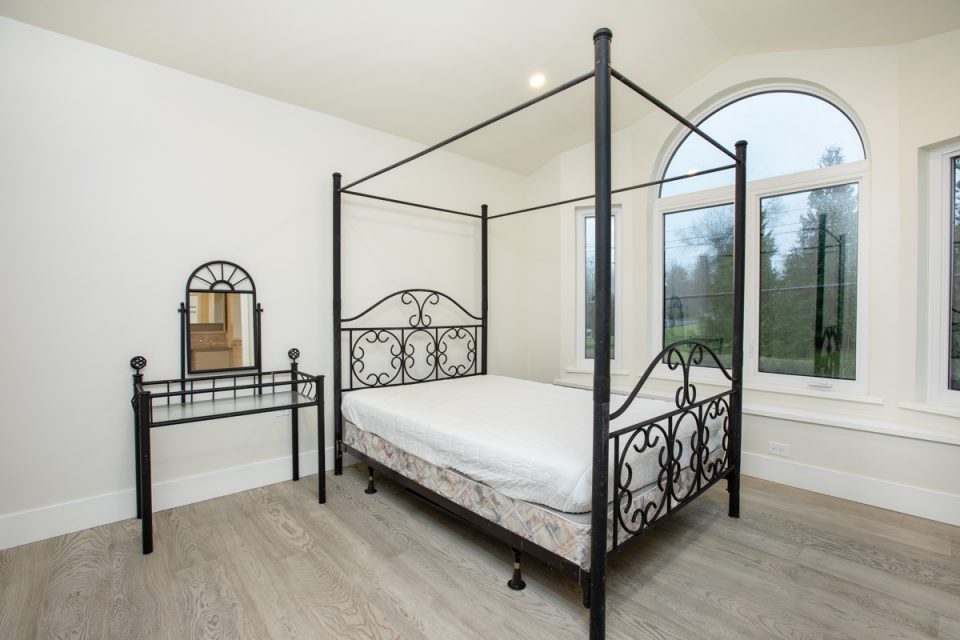
Living in Vancouver means embracing our unique climate – beautiful but often cloudy. With an average of only 1,938 hours of sunshine per year, making the most of natural light in your home isn’t just about aesthetics; it’s about creating a healthier, more inviting living space that combats those gray Pacific Northwest days.

At Canadoo, we’ve spent nearly three decades helping Vancouver homeowners transform dark, dreary spaces into bright, welcoming homes. Whether you’re in a heritage house in Kitsilano, a condo downtown, or a family home in Burnaby, these renovation strategies will help you maximize every ray of natural light.

Why Natural Light Matters in Vancouver Homes

Before diving into renovation solutions, it’s worth understanding why natural light is so valuable:

  • Improves mood and mental health during long, rainy winters
  • Reduces energy costs by decreasing reliance on artificial lighting
  • Makes spaces feel larger and more open
  • Increases home value and market appeal
  • Enhances color accuracy in interior design
  • Supports better sleep cycles through natural circadian rhythm regulation

Strategic Window Replacements and Upgrades

Choose the Right Window Style

Not all windows are created equal when it comes to light transmission. Consider these options:

Floor-to-Ceiling Windows: Perfect for living rooms and dining areas, these dramatic windows can flood your space with light. In Vancouver’s temperate climate, modern triple-pane glass provides excellent insulation while maximizing transparency.

Bay and Bow Windows: These extend beyond your exterior wall, capturing light from multiple angles. They’re ideal for north-facing rooms that receive less direct sunlight.

Picture Windows: Large, fixed panes without dividers allow maximum light penetration. Combine them with operable casement windows on either side for ventilation.

Corner Windows: Where two walls meet, corner windows eliminate the visual barrier and create stunning light corridors, perfect for Vancouver’s mountain and ocean views.

Window Placement Strategies

South-Facing Opportunities: In the Northern Hemisphere, south-facing windows receive the most consistent sunlight throughout the year. If you’re planning an addition or major renovation, prioritize southern exposure.

Clerestory Windows: These high-mounted windows are excellent for bringing light deep into your home while maintaining privacy – perfect for bathrooms or homes close to neighbors.

Transom Windows: Installing windows above doorways allows light to flow between rooms, particularly effective in hallway renovations.

Glass Selection Matters

Work with your renovation contractor to select the right glass:

  • Low-E coatings reduce heat loss without significantly affecting light transmission
  • Clear glass maximizes light but may require window treatments for privacy
  • Larger panes with fewer mullions reduce visual obstruction
  • Energy-efficient triple-pane windows are essential for Vancouver’s climate while maintaining brightness

Skylight Installation: Bringing Light from Above

Skylights are game-changers for Vancouver homes, especially in spaces where wall windows aren’t practical.

Best Locations for Skylights

  • Kitchens: Illuminate work surfaces and create a connection to the outdoors
  • Bathrooms: Natural light makes morning routines more pleasant and reduces moisture issues
  • Hallways and stairwells: Often the darkest areas in a home
  • Home offices: Natural overhead light reduces eye strain and boosts productivity
  • Bedrooms: Wake up naturally with morning light (consider blackout shades for flexibility)

Skylight Types for Vancouver Homes

Fixed Skylights: Most affordable option, ideal for high ceilings or hard-to-reach locations.

Vented Skylights: Can be opened for ventilation, perfect for Vancouver’s humid climate to reduce condensation and improve air circulation.

Tubular Skylights (Sun Tunnels): Excellent for smaller spaces like closets, powder rooms, or interior hallways. These reflective tubes channel sunlight from your roof to spaces that would otherwise require artificial lighting all day.

Solar-Powered Skylights: Feature built-in shades and rain sensors that close automatically – ideal for Vancouver’s unpredictable weather.

Important Skylight Considerations

  • Ensure proper flashing installation to prevent leaks (critical in rainy Vancouver)
  • Choose skylights with high energy-efficiency ratings
  • Consider automated shades for temperature and light control
  • Work with experienced installers familiar with Vancouver building codes

Interior Design Solutions That Amplify Light

Color Palette Choices

Your color scheme dramatically affects how light behaves in your space:

  • White and off-white walls reflect up to 80% of available light
  • Light gray tones add sophistication while maintaining brightness
  • Soft pastels reflect light while adding subtle color
  • Glossy finishes on walls and ceilings bounce more light than matte
  • Light-colored flooring (maple, ash, or light oak) reflects upward light

Reflective Surfaces and Materials

Strategically place reflective elements to multiply natural light:

Mirrors: Position large mirrors opposite or adjacent to windows to double the perceived light. In narrow hallways, a full-length mirror wall can transform the space.

Glass and Acrylic: Use glass tabletops, acrylic chairs, and transparent accessories that don’t block light flow.

Metallic Accents: Polished chrome, brushed nickel, and brass fixtures reflect and scatter light beautifully.

High-Gloss Tiles: In kitchen and bathroom renovations, choose glossy backsplashes and large-format tiles that create light-reflecting surfaces.

Open Concept Renovations

Removing non-load-bearing walls allows light to travel throughout your home:

  • Kitchen-living room combinations let window light flow freely
  • Glass-paneled interior doors maintain separation while allowing light passage
  • Half-walls or pony walls with glass panels preserve some division without blocking light
  • Open shelving instead of closed cabinets prevents light obstruction

Door Replacements for Enhanced Brightness

Don’t overlook doors in your light-maximizing renovation:

Front Doors with Glass Panels: Modern designs with sidelights or transoms add curb appeal while illuminating entryways.

French Doors: Perfect for connecting interior spaces or opening to patios, these allow maximum light flow.

Sliding Glass Doors: Contemporary large-format sliders can span entire walls, essentially turning your wall into a window.

Interior Glass Doors: Frosted or clear glass interior doors maintain privacy while allowing light to travel between rooms.

Structural Renovations for Dramatic Results

Adding Dormers

For homes with attic space, dormers add both square footage and natural light. In Vancouver’s heritage neighborhoods, dormers can be designed to complement traditional architecture while modernizing interiors.

Vaulted Ceilings

Opening up a ceiling to the roof line and adding high windows or skylights creates dramatic vertical space and light. This works particularly well in bungalows common throughout Vancouver.

Light Wells and Atriums

For larger renovations, creating an interior courtyard or light well brings natural light to the center of your home – a luxury feature increasingly popular in Vancouver’s urban homes.

Bump-Outs and Additions

Sometimes the best solution is expanding outward. Bay window bump-outs or small additions on south-facing walls can transform dark rooms without a complete home renovation.

Window Treatment Strategies

The right window treatments maximize light when you want it while providing privacy when needed:

  • Sheer curtains filter light gently while maintaining daytime privacy
  • Top-down bottom-up shades let light in from above while blocking views at eye level
  • Motorized shades can be programmed to open with sunrise
  • Light-colored fabrics reflect rather than absorb sunlight
  • Minimal hardware reduces visual clutter and obstruction

Outdoor Considerations

Don’t forget the exterior:

Trim Overgrown Trees and Shrubs: Vancouver’s lush vegetation can block significant light. Strategic pruning opens up views and allows more light penetration.

Light-Colored Exterior Paint: Surfaces outside your windows reflect light inward. Consider lighter siding or trim around windows.

Reflective Landscaping: Light-colored gravel, concrete pavers, or decorative stones reflect light upward into windows better than dark mulch or grass.

Clean Windows Regularly: Vancouver’s rain and atmospheric moisture leave deposits. Professional window cleaning 2-3 times yearly makes a noticeable difference.

Budget-Friendly Light-Maximizing Updates

Not every solution requires major construction:

  • Replace solid interior doors with glass-paneled versions ($300-$800 per door)
  • Install larger mirrors strategically ($100-$500)
  • Paint walls and ceilings in lighter colors ($500-$2,000 for most rooms)
  • Add tubular skylights to small spaces ($500-$1,500 installed)
  • Replace heavy window treatments with sheer or light-filtering options ($50-$300 per window)
  • Upgrade to larger windows in existing openings ($500-$1,500 per window)

Working with Vancouver Building Codes

Any window, skylight, or structural renovation must comply with local regulations:

  • Energy efficiency requirements: New windows must meet specific performance standards
  • Egress requirements: Bedroom windows must meet size and accessibility requirements for emergency exit
  • Heritage home restrictions: Character homes may have limitations on exterior changes
  • Structural considerations: Load-bearing wall removal requires engineering assessment
  • Permit requirements: Most window replacements and all structural changes require permits

Working with an experienced Vancouver renovation contractor ensures your project meets all code requirements while achieving your light-maximizing goals.

The Canadoo Approach to Brighter Homes

At Canadoo, we take a holistic approach to maximizing natural light in your renovation:

  1. Comprehensive Assessment: We evaluate your home’s orientation, existing light sources, and architectural constraints
  2. Custom Solutions: Every Vancouver home is unique – we design solutions tailored to your specific space and budget
  3. Quality Materials: We source energy-efficient windows and skylights that perform well in our coastal climate
  4. Expert Installation: Our experienced team ensures weathertight installation critical for Vancouver’s rainfall
  5. Integrated Design: We coordinate lighting solutions with your overall renovation vision for cohesive results

Real Results: Before and After

Over our 30 years serving Vancouver homeowners, we’ve transformed countless dark spaces into light-filled sanctuaries. From opening up cramped Kitsilano kitchens with new skylights to installing floor-to-ceiling windows in East Van living rooms, we’ve seen firsthand how natural light transforms not just spaces, but how families live in them.


Ready to Brighten Your Vancouver Home?

Don’t let Vancouver’s cloudy skies dictate how bright your home feels. With the right renovation strategies, you can create a light-filled space that enhances your daily life and increases your home’s value.

Get Your Free Consultation Today

Our renovation experts will assess your home and provide personalized recommendations for maximizing natural light within your budget. With nearly 30 years of experience transforming Vancouver homes, Canadoo has the expertise to bring your vision to life.

Call us today 604-687-6252 or visit https://canadoo.ca/contact-us/ to schedule your free, no-obligation consultation.

Canadoo has been Vancouver’s trusted home renovation partner since 1995, specializing in kitchens, bathrooms, and complete home transformations. Licensed, insured, and committed to exceptional craftsmanship.

A Homeowner’s Guide to Planning Your Renovation

A Homeowner's Guide to Planning Your Renovation

Embarking on a home renovation can be one of the most exciting projects you undertake. It’s a chance to transform your living space, improve functionality, and increase your property’s value. However, a successful renovation doesn’t happen by chance. It requires careful planning and thoughtful execution. This guide provides a clear roadmap to help you navigate the process from start to finish, ensuring your vision becomes a reality with minimal stress.

We will walk you through the essential steps, from defining your goals and setting a realistic budget to hiring the right team and managing the project. With a solid plan in place, you can move forward with confidence and turn your dream home into a tangible space you’ll love for years to come.

Step 1: Define Your Goals and Vision

Before you knock down any walls or pick out paint colors, you need a clear vision. This foundational step guides every decision you’ll make throughout the project. Take time to think about what you want to achieve with your renovation.

Identify Your “Why”

Start by asking yourself why you want to renovate. Are you looking to update an outdated kitchen, create more space for a growing family, or improve the flow of your living areas? Understanding your primary motivation helps you prioritize your needs and wants. Make a list of everything you dislike about your current space and what you hope to gain from the renovation.

Gather Inspiration

This is the fun part. Create a mood board to visually define your style. Use platforms like Pinterest and Instagram, or clip images from design magazines. Collect pictures of layouts, color schemes, materials, and fixtures that you love. This collection of images will be an invaluable tool when communicating your vision to designers and contractors. Don’t limit yourself to just one style; mixing elements can create a unique and personal space.

Distinguish Needs from Wants

With your inspiration in hand, create two columns: “Must-Haves” and “Nice-to-Haves.” Your must-haves are the non-negotiable elements essential to the project’s success. For a kitchen remodel, this might include new countertops and functional cabinetry. Nice-to-haves could be a wine fridge or a high-end espresso machine. This list will be crucial when you move on to budgeting.

Step 2: Create a Realistic Budget

Your budget is the backbone of your renovation project. A well-planned budget prevents financial strain and helps you make smart decisions. Home renovations often cost more than initially expected, so it’s vital to be thorough and realistic.

Determine Your Total Budget

Decide how much you are comfortable spending. This figure should include everything from materials and labor to permits and a contingency fund. Consider how you will finance the project. Will you use savings, a home equity line of credit (HELOC), or a personal loan? Knowing your total available funds sets the boundaries for your project scope.

Research Costs and Get Estimates

Start researching the average costs for the type of renovation you’re planning in your area. Look at online resources, talk to friends who have done similar projects, and begin getting rough estimates. While you won’t have firm quotes yet, this initial research helps you understand if your budget aligns with your vision. If there’s a big gap, you may need to revisit your “Needs vs. Wants” list.

Build in a Contingency Fund

Unexpected issues are almost a guarantee in any renovation. You might discover hidden water damage, outdated wiring, or structural problems once demolition begins. To prepare for these surprises, set aside 15-20% of your total budget as a contingency fund. This financial cushion ensures that unforeseen costs won’t derail your entire project.

Step 3: Hire the Right Professionals

Unless you are an experienced DIYer tackling a small project, you will need to assemble a team of professionals. The quality of your team will directly impact the quality of the final result.

Understand the Roles

  • Architect/Designer: For major structural changes or complex designs, an architect is essential. An interior designer can help with space planning, material selection, and creating a cohesive look.
  • General Contractor (GC): A GC oversees the entire project, manages subcontractors (plumbers, electricians, etc.), sources materials, and ensures the project stays on schedule and on budget.
  • Subcontractors: These are the specialized tradespeople who handle specific tasks like plumbing, electrical work, tiling, and painting. If you hire a good GC, they will have a network of trusted subcontractors.

How to Find and Vet Professionals

Start by asking for referrals from friends, family, and neighbors. You can also use online platforms like Houzz or the National Association of the Remodeling Industry (NARI) to find qualified candidates. Once you have a shortlist, check their licenses, insurance, and references. Look at their portfolio to see if their work aligns with your style. Interview at least three different professionals for each role to compare their approaches, personalities, and bids.

Step 4: Develop a Detailed Plan and Timeline

With your team in place, it’s time to create the official project plan. This involves finalizing the design, selecting materials, and establishing a clear schedule.

Finalize the Design and Scope of Work

Work with your designer or architect to create detailed drawings and a comprehensive scope of work document. This document should explicitly outline every task to be completed, from demolition to the final coat of paint. Specificity is key here. For example, instead of just “install kitchen cabinets,” it should specify the brand, style, color, and hardware. A detailed scope of work minimizes misunderstandings and prevents scope creep.

Select All Materials and Finishes

Before construction begins, you should have all your materials selected, if not already ordered. This includes flooring, tile, countertops, paint colors, light fixtures, and appliances. Delays in material availability are a common cause of project setbacks. Finalizing these choices upfront helps your contractor build an accurate timeline and budget.

Create a Project Timeline

Your general contractor will lead the creation of the project schedule. This timeline should map out each phase of the renovation, from demolition and framing to plumbing rough-ins and final inspections. A typical renovation sequence looks something like this:

  1. Permitting and approvals
  2. Demolition and site preparation
  3. Structural work (framing, foundation)
  4. HVAC, electrical, and plumbing rough-ins
  5. Insulation and drywall
  6. Flooring and tile installation
  7. Cabinet and countertop installation
  8. Painting and finishing touches
  9. Final inspections

Step 5: Manage the Project and Communicate

Once construction starts, your role shifts to project oversight and communication. Staying engaged is crucial for a smooth process.

Establish Regular Check-ins

Set up a regular communication schedule with your general contractor. This could be a daily text update or a weekly on-site meeting. These check-ins are your opportunity to ask questions, review progress, and address any issues that arise. Clear and consistent communication is the single most important factor in a successful client-contractor relationship.

Prepare for Disruption

Living through a renovation is disruptive. There will be noise, dust, and workers in your home. Plan for this by setting up a temporary kitchen, sealing off non-renovation areas with plastic sheeting, and having a plan for pets and children. If the renovation is extensive, you might consider moving out temporarily.

Document Everything

Keep a project file with copies of all contracts, change orders, invoices, and communications. Take photos of the progress regularly. This documentation is invaluable if any disputes arise. When you make a change to the original plan, always get it in writing through a formal “change order” that details the new work and any associated costs. This protects both you and the contractor.

A successful renovation is a marathon, not a sprint. By investing time in planning, you set the stage for a smoother, more predictable project. From defining your vision to managing the final details, each step builds upon the last. Embrace the process, communicate openly with your team, and soon you will be enjoying a beautifully transformed space that you helped create.

Open-Concept Kitchens: Optimizing Space and Seamless Design

Kitchen design Vancouver

Open-Concept Kitchens: Optimizing Space and Seamless Design

An open-concept kitchen is more than just a trendy design—it’s a transformation in how we experience and use our living spaces. By breaking down walls between the kitchen and adjoining areas, this style creates an integrated hub for cooking, dining, and connecting. The success of this layout hinges on thoughtful planning to ensure the space remains functional, visually appealing, and harmonious with the rest of the home.

To make the most of an open-concept kitchen renovation project, it’s critical to enhance the flow while maintaining efficiency. Carefully planning the layout, selecting complementary materials, and incorporating practical elements can lead to a cohesive and user-friendly design.

Creating Purposeful Zones

Even in an open kitchen plan, defining specific areas for different tasks ensures the space functions smoothly while preserving flow. Organized zones allow you to maximize functionality without interrupting the overall design.

  • Cooking Zone: Keep appliances like the stove, oven, and prep areas close together to streamline meal preparation. Store pots, pans, and utensils within easy reach by integrating storage solutions near this workstation.
  • Dining Zone: Add a kitchen island with seating or an extended countertop to serve as a casual dining area. This helps bridge the gap between cooking and socializing, letting you interact with guests while preparing meals.
  • Cleaning Zone: Position the dishwasher and sink near food prep and dining zones to facilitate easy cleanup. This layout minimizes unnecessary movement and improves efficiency.

Choosing Materials to Unify the Space

Material choices can greatly impact the look and feel of an open-concept kitchen since these spaces are visible from various angles. Opting for finishes that align with the design of adjacent areas creates a cohesive, uncluttered aesthetic.

  • Countertops: Durable materials like quartz or granite not only offer functionality but also provide a sleek appearance that fits into both classic and contemporary designs. Their seamless edges contribute to a sense of continuity.
  • Flooring: Select flooring that effortlessly transitions between the kitchen and adjoining spaces. Hardwood or wood-look tile are popular choices, providing a consistent and polished look throughout the area.
  • Cabinetry: Minimalist cabinets with clean lines and neutral tones can enhance the open feel while maintaining a sophisticated aesthetic. Handleless designs or subtle finishes ensure the kitchen remains integrated into the broader living area.

Making the Most of Vertical Space

Efficient storage solutions are critical in open-concept home designs, especially when space is limited. By using creative storage methods, you can maintain the openness of the kitchen without sacrificing functionality.

  • Floating Shelves: These shelves provide storage for dishes or decorative items while keeping the design light and airy. They balance practicality with style, offering display space without feeling crowded.
  • Tall Cabinets: Floor-to-ceiling cabinetry maximizes storage potential with minimal use of floor space. This option is perfect for neatly storing items while leaving the workspace uncluttered.
  • Under-Island Storage: Kitchen islands are ideal locations for hidden storage, such as drawers or cabinets beneath the surface. This feature keeps your kitchen essentials within reach without encroaching on the space.

Lighting for Function and Mood

Lighting is a vital element in open-concept kitchens, serving both practical and decorative purposes. Thoughtfully planned lighting highlights different areas and enhances the ambiance.

  • Task Lighting: Under-cabinet lighting or focused illumination over counters ensures essential work areas are well-lit, making tasks easier without overwhelming the entire space.
  • Pendant Lights: Suspended lights above islands or dining sections add charm and personality. They function as both a focal point and a source of light for specific zones.
  • Recessed Lighting: For a clean, unobtrusive look, recessed lighting provides even brightness across the kitchen while maintaining clear sightlines.

By uniting efficient zoning, well-chosen materials, smart storage, and versatile lighting, an open-concept kitchen can be both practical and visually appealing. This flowing design integrates your living spaces, giving your home a modern and inviting atmosphere. Check out our Home renovation services.

The Best Kitchen Renovation Ideas

Kitchen renovation ideas Vancouver

Your kitchen is the heart of your home. Whether you’re whipping up weeknight dinners, hosting friends, or helping kids with their homework, you need a space that meets your family’s everyday needs. If your kitchen feels cramped, outdated or just plain uninspired, it might be time for a renovation.

In fact, a recent report from the Appraisal Institute found that kitchen renovations have the best return on investment for homeowners, often paying back 75% of their costs when the home is sold.

From stylish cabinets to smart storage solutions, here are the top kitchen renovation ideas that will not only transform the functionality of your kitchen, but also make it a stylish place for your family to gather.

Transform Your Kitchen with Stylish Cabinets

Cabinets are one of the first things people notice about a kitchen. If they’re old, chipped or outdated, they may make your entire kitchen look worn out. But they also take up a lot of visual space, so new cabinets can have a big impact on the overall feel of your kitchen.

A popular kitchen renovation trend that has really taken off in the last few years is white cabinetry. This simple change can make a kitchen feel bigger and brighter. You can further enhance this effect by painting the walls a light colour, like pale grey or soft blue.

If your kitchen is small or dark, you can add more light and space with glass-front cabinets. This allows you to display your beautiful dishes and glassware, while also giving the illusion of a larger space.

Update your kitchen with stylish cabinets that match your home’s style. The best part? Many cabinet makers now offer environmentally-friendly options, so you can renovate sustainably too!

Upgrade to Energy-Efficient Appliances

Another smart way to increase your kitchen’s value is by upgrading to energy-efficient appliances. These modern machines not only reduce energy consumption, which is great for the environment, but they can save you money on your utility bills too.

When shopping for new appliances, look for the Energy Star label. This indicates that they meet energy efficiency guidelines set by the U.S. Environmental Protection Agency. You’ll find a range of options, from refrigerators and dishwashers to ovens and cooktops.

In addition to being better for the environment and your wallet, many energy-efficient appliances come with advanced features that make them easier to use. For example, some smart fridges can help you keep track of expiration dates, while energy-efficient dishwashers are quieter and more effective at cleaning.

Create More Space with Smart Storage Solutions

If you love to cook, you know that a cluttered kitchen can quickly become a frustrating (and unsafe) kitchen. One of the most effective kitchen renovation ideas is to create smart storage solutions that keep your kitchen organized and tidy, while still being easy to access.

Consider installing pull-out shelves or deep drawers in your cabinets. Unlike traditional shelves, which can make it hard to access items at the back, these options allow you to easily see and reach everything.

Overhead cabinets are another great option for maximizing space. If you’re worried about them making your kitchen feel smaller, choose open shelving instead. This gives you easy access to your most-used items, while also creating a light, airy feel.

Brighten Up with New Lighting

Often overlooked in kitchen renovations, lighting is an important element that can change the entire atmosphere of your space, not to mention its functionality.

Many modern kitchen designs incorporate three different types of lighting. Ambient lighting, such as recessed lights or pendant lights over the island, provides overall illumination. Task lighting, like under-cabinet lights, helps you see better while chopping vegetables or reading recipes. Accent lighting, often used to highlight artwork or architectural features, adds a touch of style and warmth.

Don’t forget about natural lighting too! If your kitchen doesn’t have many windows, consider adding a skylight or larger window. You’ll be amazed at how much brighter and more inviting your kitchen feels with just a bit more sunlight.

Add an Island for Extra Prep Space and Seating

If your kitchen layout allows it, adding a central island is one of the most effective kitchen renovation ideas you can implement. Not only does it provide extra counter space for food prep, but it can also serve as a casual dining area for your family.

When designing your island, think about what will work best for your family’s needs. A simple rectangular shape is perfect for smaller kitchens, while a larger, L-shaped island with seating may be more suitable for bigger spaces. Be sure to include electrical outlets for small appliances, such as blenders and toasters.

A decorative lighting fixture hanging above the island can create a warm and inviting atmosphere, making it a great spot for family meals or homework sessions.

Choose Durable (And Stylish) Flooring

Another often-overlooked aspect of kitchen renovations is flooring. While you want your new floor to look great, it also needs to stand up to the wear and tear of daily life.

One popular option for kitchen flooring is vinyl plank. It’s waterproof, scratch-resistant, and surprisingly comfortable to walk on. Plus, it comes in a wide variety of colours and styles, including options that mimic the look of hardwood or tile.

If you prefer a more natural material, consider using bamboo or cork. Both are renewable resources that offer unique designs and textures. If well maintained, they can last for years and provide a warm, inviting feel to your kitchen.

Incorporate Sustainable Elements

An increasing number of homeowners are looking for ways to make their kitchens more sustainable, and there are many innovative materials that can help you do just that.

Recycled glass countertops are a popular option. Not only do they look beautiful, but they are also incredibly durable and resistant to scratches and stains.

Another great choice for eco-conscious homeowners is bamboo. This renewable resource can be used for everything from cabinets to flooring, and it looks great too!

Consider using low-VOC paint for your cabinetry and walls. This type of paint emits fewer harmful chemicals than traditional options, making it a healthier choice for your family and the environment.

Personalize with Unique Backsplashes

Backsplashes may seem like a small detail in kitchen renovations, but they can have a big impact on the overall look and feel of your kitchen.

Tile is a popular choice for backsplashes, and today, homeowners can find an endless variety of colours, shapes, and patterns. From classic subway tiles to intricate mosaics, you can create a truly unique design that reflects your personal style.

For a more modern look, consider using materials like stainless steel or glass. They’re easy to clean and can add a sleek, contemporary touch to your kitchen.

If you’re feeling adventurous, get creative with a custom-painted or reclaimed wood backsplash. Not only are these options eye-catching, but they also tell a story about your home.

Enhance Functionality with Open Shelving

Open shelving is a growing trend in kitchen renovations. It not only looks stylish, but it also makes it easier to access everyday items like dishes and cooking utensils.

When designing your open shelving, consider using materials that match your kitchen’s overall aesthetic. For instance, if you have a rustic farmhouse kitchen, wood shelves would look great. Conversely, sleek metal shelves would work well in a modern kitchen.

Make sure to display items that are both beautiful and functional. Mixing in cookbooks, decorative bowls, and plants can add warmth and personality to your kitchen while keeping it organized and tidy.

Upgrade Your Sink

Sinks are one of the most-used features of any kitchen, but they’re often overlooked in renovations. Upgrading your sink, or even just its faucet, can improve your kitchen’s functionality and style.

For a simple yet effective upgrade, consider replacing your standard faucet with a modern pull-down or pull-out model. These styles make washing large pots and pans easier, while also adding a contemporary touch to your kitchen.

If you’re ready for a more substantial change, think about installing a farmhouse sink. These deep sinks not only look great, but they also provide ample space for washing dishes, filling pots, and even soaking dirty baking sheets.

Invest in Smart Technology

Smart technology has made its way into kitchens, and for good reason. Not only does it make cooking and entertaining easier, but it also adds a modern touch to your kitchen.

Consider investing in smart appliances that can be controlled via your smartphone or voice assistant. Smart refrigerators can help you keep track of what’s inside, while smart ovens can be preheated remotely.

You might also want to install smart lighting that can be adjusted based on the time of day or your mood. Some systems even allow you to control the lighting with your voice, adding an extra level of convenience.

Make it Your Own

While all these ideas are great ways to update your kitchen, the most important thing is to create a space that reflects your personal style and meets your family’s needs. Consider what’s working (or not working) in your kitchen right now, and build from there.

Don’t be afraid to mix and match different styles and materials. A well-designed kitchen often includes a combination of modern and traditional elements that come together to create a unique, inviting space.

And remember, a beautiful kitchen isn’t just about aesthetics. It’s also about functionality. Make sure to choose features that will make your daily cooking and dining experiences easier and more enjoyable.

Renovating your kitchen can seem like a daunting task, with many details to consider and decisions to make. But by focusing on a few key areas, you can create a space that is not only functional and efficient, but also stylish and inviting.

Whether you’re starting from scratch or just making a few updates, there is a wide range of kitchen renovation ideas to help you achieve your dream kitchen. From stylish cabinets and energy-efficient appliances to smart storage solutions and stunning backsplashes, these updates will transform the heart of your home into a space you’ll love for years to come.

If you’re planning a kitchen renovation in Vancouver, consider hiring a professional contractor to help bring your vision to life. They can guide you through the process, ensuring that all your ideas are seamlessly integrated into the final design.

With the right planning and a bit of creativity, you can create a kitchen that meets your family’s needs, reflects your personal style, and adds value to your home.