If you’re considering adding rental income or extra living space to your property, one of the first questions you’ll run into is:
Is it cheaper to convert an existing basement-or build a brand-new secondary suite from scratch?
In markets like Vancouver, the Lower Mainland, and surrounding areas, this decision can significantly impact your budget, timeline, and long-term return on investment.
Let’s break it down clearly so you can make the right financial and practical choice.
Quick Answer: Basement Conversions Are Usually Cheaper
In most cases, converting an existing basement is significantly more affordable than building a new suite from scratch.
Typical cost ranges in BC:
Basement conversion: $80,000 – $200,000+
New secondary suite (addition or new structure): $180,000 – $350,000+
But cost is only part of the story-let’s look at why.
Option 1: Basement Suite Conversion (Lower Cost Option)
Converting an existing basement into a legal suite is the most common choice for homeowners.
Why it’s cheaper:
Existing foundation and structure already in place
Shared plumbing and electrical systems
No need for major exterior construction
Faster approval and build time in many cases
Typical work involved:
Framing and drywall
Electrical and plumbing upgrades
Soundproofing and fire separation
Installing kitchen and bathroom
Adding legal egress windows and separate entrance
Timeline:
6-12 weeks (depending on complexity and permits)
Hidden costs to watch:
Lowering basement floors for ceiling height compliance
Upgrading old plumbing/electrical systems
Moisture-proofing and insulation
City permit and inspection requirements
👉 In older homes across Vancouver and Burnaby, these hidden costs can add up quickly.
Option 2: Building a New Secondary Suite (Higher Cost, More Flexibility)
A new suite may involve building an addition, garage suite, laneway home, or full structural extension.
Why it costs more:
New foundation or structural framing required
Full plumbing, electrical, and HVAC systems
Exterior construction and roofing
Landscaping restoration after build
Higher permitting complexity
Common types:
Detached garden suite
Laneway house
Home addition suite
Above-garage suite
Timeline:
4-8+ months depending on scope and approvals
Benefits despite higher cost:
Full design flexibility
Higher rental income potential
Better long-term resale value
No compromise on layout or ceiling height
Basement vs New Suite: Cost Comparison
Factor
Basement Conversion
New Suite Build
Cost
Lower
Higher
Timeline
Faster
Longer
Permits
Moderate
Complex
Design Flexibility
Limited
High
ROI Potential
Strong
Very Strong
What Most Homeowners in BC Choose
In high-demand areas like Vancouver, Burnaby, and Richmond, most homeowners choose:
Basement conversions first
Because:
Lower upfront cost
Faster rental income
Easier approvals in many zones
New suites for long-term investment properties
Because:
Higher rental rates
Better layout and privacy
Strong resale advantage
ROI: Which One Makes More Money?
While basement suites are cheaper to build, new suites often generate higher rent due to:
Separate entrance + privacy
Better natural light
Modern layouts
However, basement suites often deliver:
Faster payback period
Lower financial risk
Strong demand in rental-heavy areas
Key Decision Factors You Should Consider
Before choosing, ask:
1. What condition is your basement in?
Ceiling height?
Moisture issues?
Structural limitations?
2. What does your city allow?
Zoning rules vary across municipalities in BC.
3. What is your budget?
Under $150K – Basement conversion
$200K+ – New suite becomes realistic
4. Where is your property located?
High-value rental areas like Vancouver may justify higher investment.
Common Mistakes Homeowners Make
Underestimating permit requirements
Ignoring ceiling height rules
Skipping proper soundproofing
Not planning for inspection delays
Choosing cheapest contractor instead of qualified one
These mistakes often turn “cheap conversions” into expensive rebuilds.
Final Verdict
✔ Basement conversion is cheaper and faster
✔ New suite costs more but offers greater flexibility and rental potential
There is no universal answer-the right choice depends on your property condition, budget, and long-term goals.
Need Expert Advice on Your Property?
At Canadoo Enterprises, we help homeowners across BC understand structural feasibility and renovation planning as part of full exterior and construction projects.
Living in Vancouver means embracing our unique climate – beautiful but often cloudy. With an average of only 1,938 hours of sunshine per year, making the most of natural light in your home isn’t just about aesthetics; it’s about creating a healthier, more inviting living space that combats those gray Pacific Northwest days.
At Canadoo, we’ve spent nearly three decades helping Vancouver homeowners transform dark, dreary spaces into bright, welcoming homes. Whether you’re in a heritage house in Kitsilano, a condo downtown, or a family home in Burnaby, these renovation strategies will help you maximize every ray of natural light.
Why Natural Light Matters in Vancouver Homes
Before diving into renovation solutions, it’s worth understanding why natural light is so valuable:
Improves mood and mental health during long, rainy winters
Reduces energy costs by decreasing reliance on artificial lighting
Makes spaces feel larger and more open
Increases home value and market appeal
Enhances color accuracy in interior design
Supports better sleep cycles through natural circadian rhythm regulation
Strategic Window Replacements and Upgrades
Choose the Right Window Style
Not all windows are created equal when it comes to light transmission. Consider these options:
Floor-to-Ceiling Windows: Perfect for living rooms and dining areas, these dramatic windows can flood your space with light. In Vancouver’s temperate climate, modern triple-pane glass provides excellent insulation while maximizing transparency.
Bay and Bow Windows: These extend beyond your exterior wall, capturing light from multiple angles. They’re ideal for north-facing rooms that receive less direct sunlight.
Picture Windows: Large, fixed panes without dividers allow maximum light penetration. Combine them with operable casement windows on either side for ventilation.
Corner Windows: Where two walls meet, corner windows eliminate the visual barrier and create stunning light corridors, perfect for Vancouver’s mountain and ocean views.
Window Placement Strategies
South-Facing Opportunities: In the Northern Hemisphere, south-facing windows receive the most consistent sunlight throughout the year. If you’re planning an addition or major renovation, prioritize southern exposure.
Clerestory Windows: These high-mounted windows are excellent for bringing light deep into your home while maintaining privacy – perfect for bathrooms or homes close to neighbors.
Transom Windows: Installing windows above doorways allows light to flow between rooms, particularly effective in hallway renovations.
Glass Selection Matters
Work with your renovation contractor to select the right glass:
Low-E coatings reduce heat loss without significantly affecting light transmission
Clear glass maximizes light but may require window treatments for privacy
Larger panes with fewer mullions reduce visual obstruction
Energy-efficient triple-pane windows are essential for Vancouver’s climate while maintaining brightness
Skylight Installation: Bringing Light from Above
Skylights are game-changers for Vancouver homes, especially in spaces where wall windows aren’t practical.
Best Locations for Skylights
Kitchens: Illuminate work surfaces and create a connection to the outdoors
Bathrooms: Natural light makes morning routines more pleasant and reduces moisture issues
Hallways and stairwells: Often the darkest areas in a home
Home offices: Natural overhead light reduces eye strain and boosts productivity
Bedrooms: Wake up naturally with morning light (consider blackout shades for flexibility)
Skylight Types for Vancouver Homes
Fixed Skylights: Most affordable option, ideal for high ceilings or hard-to-reach locations.
Vented Skylights: Can be opened for ventilation, perfect for Vancouver’s humid climate to reduce condensation and improve air circulation.
Tubular Skylights (Sun Tunnels): Excellent for smaller spaces like closets, powder rooms, or interior hallways. These reflective tubes channel sunlight from your roof to spaces that would otherwise require artificial lighting all day.
Solar-Powered Skylights: Feature built-in shades and rain sensors that close automatically – ideal for Vancouver’s unpredictable weather.
Important Skylight Considerations
Ensure proper flashing installation to prevent leaks (critical in rainy Vancouver)
Choose skylights with high energy-efficiency ratings
Consider automated shades for temperature and light control
Work with experienced installers familiar with Vancouver building codes
Interior Design Solutions That Amplify Light
Color Palette Choices
Your color scheme dramatically affects how light behaves in your space:
White and off-white walls reflect up to 80% of available light
Light gray tones add sophistication while maintaining brightness
Soft pastels reflect light while adding subtle color
Glossy finishes on walls and ceilings bounce more light than matte
Light-colored flooring (maple, ash, or light oak) reflects upward light
Reflective Surfaces and Materials
Strategically place reflective elements to multiply natural light:
Mirrors: Position large mirrors opposite or adjacent to windows to double the perceived light. In narrow hallways, a full-length mirror wall can transform the space.
Glass and Acrylic: Use glass tabletops, acrylic chairs, and transparent accessories that don’t block light flow.
Metallic Accents: Polished chrome, brushed nickel, and brass fixtures reflect and scatter light beautifully.
High-Gloss Tiles: In kitchen and bathroom renovations, choose glossy backsplashes and large-format tiles that create light-reflecting surfaces.
Open Concept Renovations
Removing non-load-bearing walls allows light to travel throughout your home:
Kitchen-living room combinations let window light flow freely
Glass-paneled interior doors maintain separation while allowing light passage
Half-walls or pony walls with glass panels preserve some division without blocking light
Open shelving instead of closed cabinets prevents light obstruction
Door Replacements for Enhanced Brightness
Don’t overlook doors in your light-maximizing renovation:
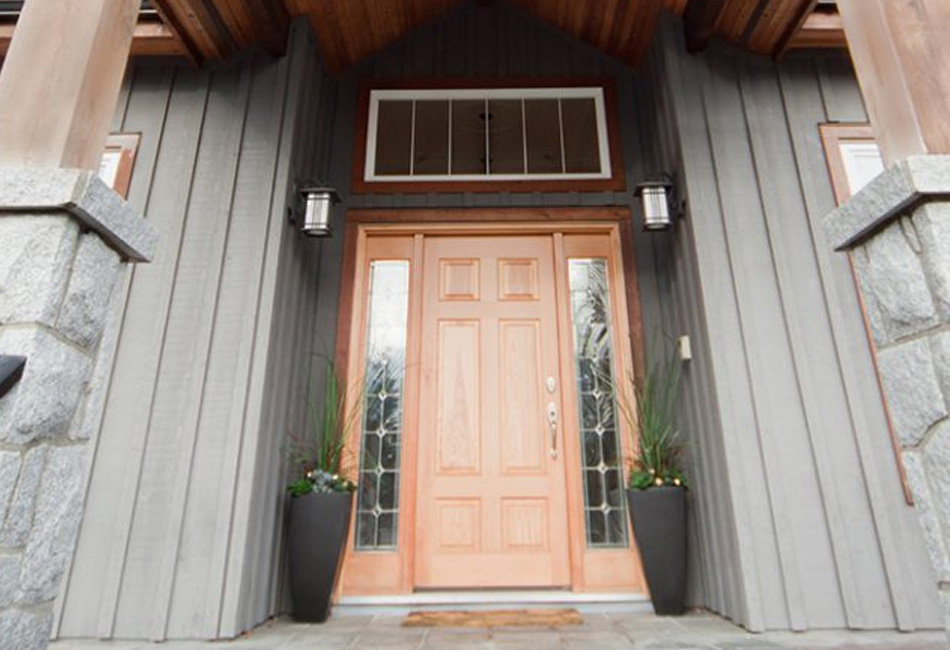
Front Doors with Glass Panels: Modern designs with sidelights or transoms add curb appeal while illuminating entryways.
French Doors: Perfect for connecting interior spaces or opening to patios, these allow maximum light flow.
Sliding Glass Doors: Contemporary large-format sliders can span entire walls, essentially turning your wall into a window.
Interior Glass Doors: Frosted or clear glass interior doors maintain privacy while allowing light to travel between rooms.
Structural Renovations for Dramatic Results
Adding Dormers
For homes with attic space, dormers add both square footage and natural light. In Vancouver’s heritage neighborhoods, dormers can be designed to complement traditional architecture while modernizing interiors.
Vaulted Ceilings
Opening up a ceiling to the roof line and adding high windows or skylights creates dramatic vertical space and light. This works particularly well in bungalows common throughout Vancouver.
Light Wells and Atriums
For larger renovations, creating an interior courtyard or light well brings natural light to the center of your home – a luxury feature increasingly popular in Vancouver’s urban homes.
Bump-Outs and Additions
Sometimes the best solution is expanding outward. Bay window bump-outs or small additions on south-facing walls can transform dark rooms without a complete home renovation.
Window Treatment Strategies
The right window treatments maximize light when you want it while providing privacy when needed:
Sheer curtains filter light gently while maintaining daytime privacy
Top-down bottom-up shades let light in from above while blocking views at eye level
Motorized shades can be programmed to open with sunrise
Light-colored fabrics reflect rather than absorb sunlight
Minimal hardware reduces visual clutter and obstruction
Outdoor Considerations
Don’t forget the exterior:
Trim Overgrown Trees and Shrubs: Vancouver’s lush vegetation can block significant light. Strategic pruning opens up views and allows more light penetration.
Light-Colored Exterior Paint: Surfaces outside your windows reflect light inward. Consider lighter siding or trim around windows.
Reflective Landscaping: Light-colored gravel, concrete pavers, or decorative stones reflect light upward into windows better than dark mulch or grass.
Clean Windows Regularly: Vancouver’s rain and atmospheric moisture leave deposits. Professional window cleaning 2-3 times yearly makes a noticeable difference.
Budget-Friendly Light-Maximizing Updates
Not every solution requires major construction:
Replace solid interior doors with glass-paneled versions ($300-$800 per door)
Install larger mirrors strategically ($100-$500)
Paint walls and ceilings in lighter colors ($500-$2,000 for most rooms)
Add tubular skylights to small spaces ($500-$1,500 installed)
Replace heavy window treatments with sheer or light-filtering options ($50-$300 per window)
Upgrade to larger windows in existing openings ($500-$1,500 per window)
Working with Vancouver Building Codes
Any window, skylight, or structural renovation must comply with local regulations:
Energy efficiency requirements: New windows must meet specific performance standards
Egress requirements: Bedroom windows must meet size and accessibility requirements for emergency exit
Heritage home restrictions: Character homes may have limitations on exterior changes
Permit requirements: Most window replacements and all structural changes require permits
Working with an experienced Vancouver renovation contractor ensures your project meets all code requirements while achieving your light-maximizing goals.
The Canadoo Approach to Brighter Homes
At Canadoo, we take a holistic approach to maximizing natural light in your renovation:
Comprehensive Assessment: We evaluate your home’s orientation, existing light sources, and architectural constraints
Custom Solutions: Every Vancouver home is unique – we design solutions tailored to your specific space and budget
Quality Materials: We source energy-efficient windows and skylights that perform well in our coastal climate
Expert Installation: Our experienced team ensures weathertight installation critical for Vancouver’s rainfall
Integrated Design: We coordinate lighting solutions with your overall renovation vision for cohesive results
Real Results: Before and After
Over our 30 years serving Vancouver homeowners, we’ve transformed countless dark spaces into light-filled sanctuaries. From opening up cramped Kitsilano kitchens with new skylights to installing floor-to-ceiling windows in East Van living rooms, we’ve seen firsthand how natural light transforms not just spaces, but how families live in them.
Ready to Brighten Your Vancouver Home?
Don’t let Vancouver’s cloudy skies dictate how bright your home feels. With the right renovation strategies, you can create a light-filled space that enhances your daily life and increases your home’s value.
Get Your Free Consultation Today
Our renovation experts will assess your home and provide personalized recommendations for maximizing natural light within your budget. With nearly 30 years of experience transforming Vancouver homes, Canadoo has the expertise to bring your vision to life.
Canadoo has been Vancouver’s trusted home renovation partner since 1995, specializing in kitchens, bathrooms, and complete home transformations. Licensed, insured, and committed to exceptional craftsmanship.
Whether you’re planning a home renovation or dreaming up a new addition, understanding when to get a building permit in British Columbia (BC) is essential. Building permits ensure that your project complies with local safety regulations and building codes, protecting both you and your community. Neglecting to secure a permit could lead to fines, delays, or even the need to undo your hard work.
This guide will help you identify when a permit is required, projects that may not need one, and how to kickstart the application process in BC.
Common Projects Requiring Building Permits in BC
Before you grab your toolbox and start sketching blueprints, it’s crucial to know which types of projects legally require a building permit. Here’s a closer look at some of the most common situations where you’ll need to apply for one.
Structural Alterations
Planning to modify the structure of your home? Whether it’s enlarging windows, knocking down walls, or reinforcing foundations, any changes to the structure will likely require a permit. Structural amendments ensure that your home remains safe and stable for residents.
For example, replacing a load-bearing wall with a beam or adding a skylight to your roof are both structural modifications that would need approval.
Plumbing and Electrical Work
Upgrading your plumbing or electrical systems is more than just an improvement project; it also involves critical safety considerations. To comply with BC regulations, any significant plumbing or electrical work, like installing new pipes, adding an electrical circuit, or modifying the sewage system, requires a permit.
Licensed professionals are often required to carry out this work, so double-check the rules in your municipality.
Additions or Renovations
Adding extra space to your home? Projects such as building a home addition, finishing a basement, or constructing a detached garage almost always require permits. This holds true whether you’re adding a sunroom or expanding your kitchen.
Permits for additions and major renovations ensure new structures are sound and meet local zoning requirements. They also prevent unexpected hiccups like property boundary disputes.
Projects That May Not Need a Permit
Not every improvement project demands the red tape of a building permit. For smaller, less invasive updates to your home, you may not need one. Here’s where your to-do list gets easier.
Cosmetic Upgrades
Refreshing your home’s interiors with a fresh coat of paint, installing new flooring, or updating your countertops rarely needs a permit. These cosmetic improvements don’t alter your home’s structure or systems, so you’re free to proceed without municipal approval. But keep in mind that adding complex elements like in-floor heating might require a closer look.
Landscaping
Want to revamp your yard with new plants, pathways, or fences? Landscaping projects usually don’t require a building permit, but it depends on the scope. Constructing a retaining wall greater than a specified height (as determined by your municipality) or building a deck might require approval.
When in doubt, it’s always worth reviewing local guidelines to avoid surprises.
How to Apply for a Building Permit in BC
Once you’ve determined your project does require a permit, what’s next? Follow these simple steps to get a permit and keep your project on track.
1. Research Local Requirements
Building codes and permit requirements vary by municipality in BC, so it’s important to start by checking the rules in your area. Visit your local government’s website or consult your building department for detailed regulations specific to your project type.
For instance, Vancouver may have different zoning requirements compared to Kelowna, so understanding these nuances is critical.
2. Prepare Necessary Documents
Your application will likely require several documents to outline your project clearly. Commonly required documentation includes:
Detailed building plans or blueprints
Site plans showing property boundaries
A project description or scope of work
Proof of ownership or authorization from the property owner
Hiring a contractor or architect can simplify this step, as many professionals are familiar with the application process and documentation requirements.
3. Submit Your Application and Follow Up
Submit your permit application through your local government’s website or in person. Most municipalities offer an online portal for added convenience. Be prepared to pay an application fee, which varies depending on the scope and scale of your project.
Once submitted, the review process can take anywhere from a few days to several weeks. Be proactive by following up on your application status and addressing any requests for additional information promptly.
Pro Tip: Don’t start construction until your permit is officially approved. Moving forward without a permit could result in hefty fines or delays.
Why Building Permits Matter
Applying for a building permit may feel like a hassle, but it’s crucial for ensuring the safety and longevity of your property. Building permits ensure that your project meets applicable codes, which increases not only safety but also property value and buyer confidence should you decide to sell down the road.
By adhering to these guidelines and doing your homework, you’ll not only save yourself potential trouble but also contribute to keeping your community a safer place to live.
Have questions about your next project? Contact your local municipality or consult a licensed renovation contractor for clarity on permit requirements. Taking these steps now could save you time, money, and stress in the future.
Renovating your home can be an exciting milestone – but hiring the general contractor can quickly turn that dream project into a nightmare. From missed deadlines and skyrocketing costs to subpar workmanship, choosing the general contractor or renovation company is one of the biggest tasks homeowners face.
Fortunately, with some proactive planning and due diligence, you can avoid horror stories and hire a professional who delivers quality results on time and on budget.
This guide will walk you through practical steps to avoid disaster when hiring a contractor, covering everything from defining your project scope to ensuring open communication throughout the process.
1. Define Your Project Scope Clearly
Before you even start contacting contractors, you need to have a clear vision of what you want. An undefined project scope – where you’re unsure of what tasks need completing – creates room for misunderstandings and added costs.
How to Define Your Scope
Create a List: Write down all the work you expect to be completed (e.g., install new kitchen cabinets, replace flooring).
Specify Materials and Finishes: Make decisions on materials, finishes, and brands where possible. For example, do you want granite countertops or quartz? This will ensure your general contractor provides accurate estimates.
Design a Timeline: Identify when you’d like the project to start and finish, understanding that realistic timelines may vary depending on scope and complexity.
When you clearly communicate your project scope to contractors upfront, you’ll save yourself from potential frustrations during the renovation process.
2. Check Licensing and Insurance
Would you hire a taxi driver without a license? Of course not. Similarly, your contractor needs to meet specific legal and professional standards to ensure they’re qualified to do the job.
Why Licensing and Insurance Matter
Protection Against Liability: If the contractor is not insured and someone gets injured during your project, you could be liable.
Assurance of Legitimacy: Licenses prove a contractor has met state or local requirements regarding skills and knowledge.
Quick Tips to Verify Credentials
Ask for Proof: Request a copy of their licensing and insurance.
Check with State Authorities: Many states offer online license lookup tools to ensure a contractor’s license is valid and up to date.
Confirm Bond Status: A bonded contractor provides added protection against incomplete work or financial loss.
3. Read Online Reviews and Ask for Referrals
Online reviews and word-of-mouth referrals are invaluable when vetting renovation companies. However, relying on one source exclusively can present biases.
How to Use Reviews Effectively
Diversify Platforms: Look at reviews on multiple platforms like Yelp, Google Reviews, and contractor-specific sites like Angi or Houzz.
Focus on Patterns: One negative review doesn’t define a contractor, but consistent complaints about delays or poor workmanship are red flags.
Take Your Research a Step Further
Ask for Referrals: Speak to neighbors, family, or friends who’ve completed similar projects and ask who they used.
Contact Past Clients: A reputable contractor should provide references. Don’t hesitate to call and ask about their experience directly.
4. Interview Multiple Contractors
The goal here is to understand not only a contractor’s skills but also their work ethic, communication style, and reliability. Treat this like a job interview – because it is.
What to Ask During the Interview
Experience: How many years have they been running their renovation company?
Portfolio: Can they share recent work similar to your project?
Subcontractors: Do they work with subcontractors, and if so, are these individuals licensed and insured?
Timeline: Can they commit to a reasonable timeline?
Interviewing multiple contractors allows you to compare skill sets, pricing, and overall compatibility with your vision.
5. Get a Detailed Written Estimate
Never rely on verbal agreements. A vague or incomplete estimate is a recipe for unexpected costs and misunderstandings.
What Should a Good Estimate Include?
Itemized Costs: Materials, labor, permits, and any subcontracted work.
Timeline: Estimated start and end dates.
Payment Terms: Clear payment structure, including deposits and progress payments.
Extras and Contingencies: Address whether additional work outside the scope will require separate approvals and budgets.
Pro Tip: Avoid general contractors who only provide ballpark figures or pressure you into signing before you’ve had time to thoroughly review the estimate.
6. Understand Payment Schedules
Discussing money can feel uncomfortable, but the cost breakdown is one of the most critical topics to clarify when hiring a general contractor.
Common Payment Structures
Deposit: A small upfront fee (often 10–20%) to secure the project.
Progress Payments: Payments based on milestones or phases completed.
Final Payment: Work should be inspected and approved before the final payment is made.
Red Flag Warning
Be cautious of contractors who demand full payment upfront. This could indicate financial instability or an untrustworthy nature.
7. Maintain Open Communication
Even with the best planning, unforeseen issues can arise during a renovation project. Regular communication can ensure problems are addressed quickly, keeping the project on track.
Tips for Open Communication
Weekly Updates: Schedule weekly check-ins with the contractor to review progress and address any issues.
Set Expectations: Clearly outline how you’d like updates—whether via email, phone, or in-person meetings.
Document Everything: Keep a record of all correspondence, payments, and changes to your project scope for reference.
Consistent and open communication demonstrates professionalism on both sides and ensures the contractor stays accountable.
The Value of Doing Your Homework
Hiring the right general contractor may take time and effort, but it will save you from the heartache of a poorly executed renovation. By following these steps – defining your scope, verifying credentials, interviewing multiple candidates, and fostering clear communication throughout the project – you’ll set the foundation for a smooth and successful experience.
Don’t rush the process; investing in due diligence is always worth it. Remember, a reliable renovation company or contractor doesn’t just provide a service – they help bring your vision to life.
Whether it’s your first renovation or your fiftieth, taking the proper precautions will ensure your investment is rewarded with quality results.
Have you been eyeing that unfinished basement and imagining a cozy family room, a spare bedroom, or the home gym of your dreams? A basement renovation can be a game-changer for your home, offering both extra living space and a boost to your property value. Done right, it’s an investment that pays off in comfort and style.
But before you grab a sledgehammer or call the pros, there’s plenty to consider. From moisture issues to framing walls, each step plays a role in bringing your vision to life. Whether you’re planning a DIY project or hiring basement contractors, this guide will take you through everything you need to know to finish your basement—without breaking the bank.
How Do You Want to Use Your Basement?
The first step in any basement renovation is understanding how you want to use the space. A basement remodel can serve a variety of purposes!
Perhaps it’s an entertainment hub, where you can kick back with friends to watch movies or play video games? Or you might need a guest suite complete with a bedroom and bathroom. Growing families often turn unfinished basements into playrooms, while others use the extra square footage for a home office or gym.
Write down your priorities and pick a primary function for your basement. Keep your family’s lifestyle, hobbies, and storage needs in mind as you brainstorm. This will help guide every decision you make moving forward.
Draft a Basement Floor Plan
After envisioning your dream basement, the next step is to sketch out a practical floor plan. This blueprint doesn’t need to be fancy, but it should outline the layout of the space, including walls, doors, and any furniture placements.
Think about flow and how rooms will transition into each other. Will you need a dividing wall to separate a laundry room or storage area? Consider any unique features you’d like, like a bar or cozy reading nook.
You’ll also want to measure the height of the ceiling, especially if you plan to add drop ceilings or recessed lighting. Low ceilings can influence your layout and design choices. Accurate measurements upfront will help prevent costly surprises later on!
Check for Signs of Moisture in Your Basement
Before you start the heavy lifting, take a moment to assess one of the biggest culprits of basement woes—moisture. Unfinished basements are notorious for dampness, and ignoring this issue can lead to mold, rot, and structural damage.
Look for classic warning signs like water stains on the walls, visible mold, or a musty smell. Check the corners of the floor and any exposed pipes for condensation. Even high humidity in the space could indicate potential problems.
Fix any moisture issues first, whether it’s sealing cracks in your foundation or investing in a dehumidifier. Solving these problems early will ensure your newly finished basement stays safe and dry for years to come.
Do a Basement Inspection
Once you’ve tackled moisture concerns, do a thorough inspection of the entire basement. Focus on the ceiling, walls, floors, and overall structure. Look for cracks or uneven surfaces in the flooring, as these are red flags for foundational issues.
Be sure to examine the electrical wiring and plumbing carefully. Sagging wires or outdated pipes should be addressed before any cosmetic upgrades take place. This might require consulting basement contractors to ensure everything meets safety codes.
A comprehensive inspection now can save you significant downtime and expenses later in the project. Plus, it ensures you’re starting with a solid and safe foundation.
Consider Your Electrical and Plumbing Needs
One of the most crucial steps in any basement renovation is tackling electrical and plumbing upgrades. Adding light fixtures, outlets, or a sink for a wet bar can transform the functionality of your space.
If you’re adding a bathroom or kitchenette, ensure plumbing is mapped out before framing begins. Electrical wiring should also match your planned layout—nothing kills the vibe faster than outlets in all the wrong places.
It’s wise to hire licensed professionals for these tasks. Proper installation ensures safety, meeting code requirements, and avoiding expensive mistakes down the line.
Choose the Right Insulation for Your Basement
Installing insulation is essential for keeping your basement warm in the winter and cool in the summer. It also adds a layer of soundproofing, perfect if you’re building a home theater or lively kids’ playroom.
Options like rigid foam boards, spray foam, or fiberglass insulation are popular choices for basements. Each has its pros and cons, so consider factors like your budget and the typical climate in your area.
Properly insulated walls not only enhance comfort but also help reduce future energy bills—a win-win for any homeowner.
Frame Walls and Select Drywall
Framing creates structure and defines your basement’s layout. Use treated wood or steel studs, as they’re resistant to moisture and highly durable for underground spaces.
Once framing is complete, it’s time to install drywall. Standard drywall works for most basements, but moisture-resistant drywall (commonly called green board) is worth the upgrade in damp areas.
Don’t forget to include electrical box cutouts and space for HVAC vents. If you’re new to drywall installation, consider hiring a pro for a smooth, polished finish.
Choose the Perfect Flooring for Your Basement
Your choice of flooring can elevate the look and feel of your basement dramatically. Luckily, there’s a broad selection of basement-friendly flooring options to suit any style.
Luxury vinyl planks (LVP) stand out for their durability and water resistance, making them a favorite among homeowners. Carpeting offers warmth and comfort, perfect for family rooms or play areas. Tile is also a strong contender for moisture-prone zones, like bathrooms or kitchens.
Avoid hardwood flooring, as it doesn’t hold up well in damp conditions. And always consider basement subfloors to add insulation and prevent damage from minor leaks.
Finalizing Your Budget
Want to know the total basement finishing cost? Proper budgeting is essential to avoid overspending.
Material Costs: Items like flooring, drywall, paint, and trim vary depending on quality and quantity.
Labor Costs: If you’re hiring professionals, expect this to be a significant part of the basement renovation cost.
Permits and Inspections: Don’t forget fees associated with obtaining local building permits.
Research average costs in your area and leave room in your budget for unexpected expenses. Planning well ensures you can enjoy your fully finished basement stress-free.
Why You Should Work with Professional Basement Contractors
Certain elements of basement renovations, like electrical work or plumbing, are best left to experts. Skilled basement contractors bring experience and efficiency to your project, ensuring it’s done safely and in compliance with local building codes.
Professionals can also help you estimate your basement finishing cost more accurately, which can prevent delays and overspending. While DIY options are appealing, having the right help often pays off in both quality and savings.
A New Basement Awaits
From envisioning a layout to clipping the final wires, transforming your basement requires careful planning. Understanding how you’ll use the space, addressing moisture concerns, and budgeting thoughtfully will set the foundation for a successful renovation.
Whether you’re creating a stylish retreat, a practical home office, or an entertainment haven, the effort is worth it. A renovated basement doesn’t just add square footage but enriches your home’s functionality and charm.
If you’re ready to get started, consider consulting experienced renovation contractors to guide you through the process. Your dream basement is just a plan away!
We use cookies to ensure that we give you the best experience on our website. If you continue to use this site we will assume that you are happy with it.Ok